
Madrid failed my first visit completely. The food disappointed, the sights felt ordinary, I couldn’t see what the fuss was about. Nearly a year of total time there later, it’s one of my favorite cities in the world. Here’s what I missed and how to avoid my mistakes.
After nearly a year ln aggregate spent in Madrid across multiple stays, here’s what I completely missed at first
I almost wrote Madrid off after my first visit. It felt underwhelming, confusing, even disappointing. The food was mediocre. The sights seemed standard. I couldn’t figure out what everyone loved about this city. I left thinking I’d checked the box and wouldn’t need to return.
That was years ago. Since then, I’ve spent approaching a year in Madrid – across multiple visits ranging from weekends to two-month stays. It has become one of my favorite cities in the world, a place I return to whenever I can. The transformation wasn’t dramatic or sudden. Madrid revealed itself slowly, in layers, like learning to appreciate a complex wine you initially found ordinary.
If you’re planning your first trip to Madrid, here’s what I wish someone had told me—and why giving this city more than a quick weekend might change your life.
My First Visit: Confused and Disappointed
Madrid doesn’t have Barcelona’s Sagrada Família or Paris’s Eiffel Tower—no single iconic image that screams “you must see this.” Without a clear “world-renowned must-do list,” I felt lost about where to start and what mattered.
The Prado Felt Like Every Other Museum
I dutifully visited the Prado. It was fine. Big art museum, famous paintings, check. It felt like a smaller Met or Louvre, impressive but not revelatory. I didn’t understand what made it special.
I Ate Terrible Tapas
I’d heard about Spain’s incredible tapas culture. What better place to try it than the capital? So I went out for tapas around 6 PM, which seemed reasonable. Problem: Madrileños eat late. Really late. The only places open were tourist traps serving mediocre food to confused foreigners like me. The experience was forgettable.
I Lunched in All the Wrong Places
Plaza Mayor looked charming, so I had lunch there. The food was disappointing, the service indifferent, the prices inflated. I didn’t know these central plazas exist primarily for tourists. Most of the year, the locals avoid them. I left thinking Madrid’s food scene was overrated.
In short: I made every classic first-timer mistake. Madrid doesn’t reveal itself to rushed, uninformed visitors. I concluded it was fine but not special, and I didn’t plan to return.
The Gradual Discovery: How Madrid Won Me Over
I came back to Madrid purely for logistical reasons – as a convenient stopover. I had a local friend with me this time, and things started to shift. Not dramatically. Just… better. A couple of very nice restaurant experiences, including surprisingly authentic Vietnamese food. The presence of good ethnic cuisine piqued my interest. Maybe there was more here than I’d realized.
So when another opportunity arose, I went back. Then a third visit. Then a fourth. Then a week-long stay. Then a month. Then two months. Then another month. I’ve now spent approaching a year in Madrid, and I’m still discovering new layers.
There was no single “aha” moment. Madrid doesn’t work that way. It unfolds gradually.
What I Discovered: Madrid’s Hidden Depths
A City That Changes With the Seasons
August in Madrid: the city empties as locals flee the scorching heat for the coast. Streets that normally buzz with life become quiet, almost meditative. You see a different side of the city.
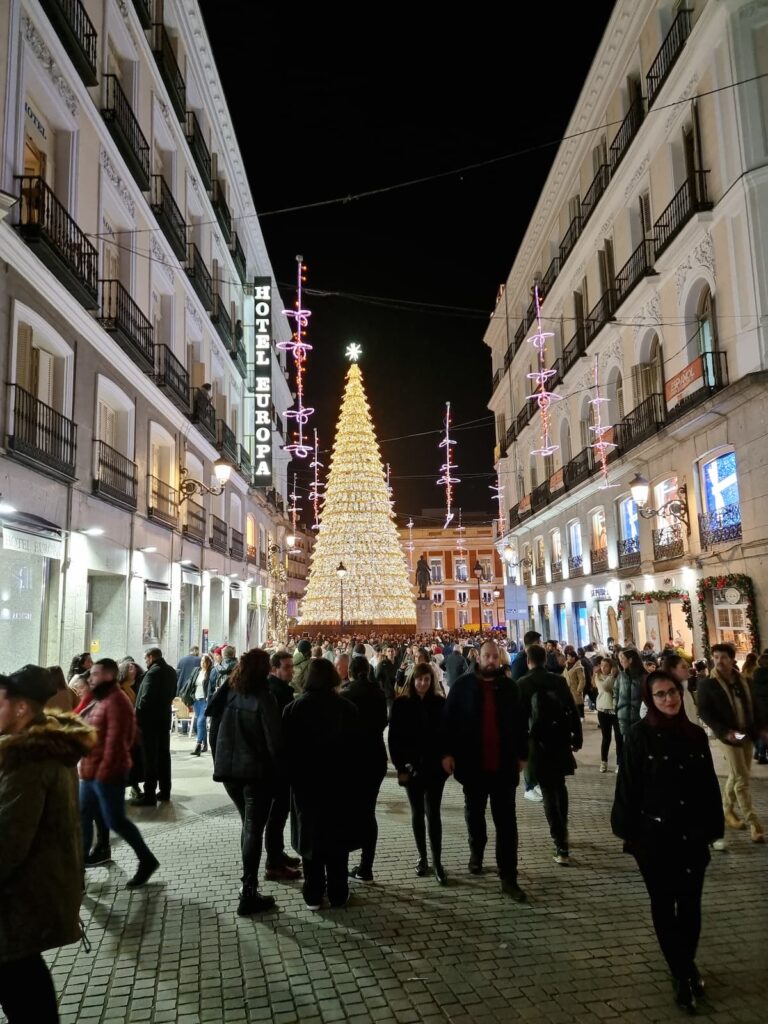
December in Madrid: every street decorates for Christmas. Near Sol and Gran Vía, the crowds rival La Rambla in Barcelona – but here’s the difference. These aren’t tourists, touts, and pickpockets. These are families and friends holding hands, strolling, shopping together. The energy is joyful, communal, safe. It’s what urban density should feel like.
An Astonishing Food Scene (If You Know Where to Look)
Madrid has nearly every ethnic cuisine you can imagine. Yes, you have to accept the Spanish aversion to spicy food. But if you look, you’ll find a Mexican restaurant serving authentic cochinita pibil with a small bottle of habanero salsa on the side that should be approached judiciously. A Roman pinsa restaurant that would be popular in Cagliari. Vietnamese, Korean, Peruvian, Ethiopian – all here, all good.
And that’s before you even get to Spanish regional cuisines. Galician seafood. Basque pintxos. Andalusian tapas. Castilian roasts. The culinary diversity is staggering once you escape the tourist traps. And once you escape the tourist sector, you discover why Madrid and Spain are great food places. The people who own and serve in these restaurants care about the food. It matters to them if what they serve is quality.
And when you are ready for that Madrid tapas experience, head to La Latina during the Madrid lunch or dinner hours and wander the streets. Memories await. Look for the chalkboard menu or a place where the first words from your server are the things they have already sold out.
The Prado’s True Glory (Discovered in Small Doses)
I learned the Prado’s secret: it’s not about seeing everything in one exhausting visit. The glory is in the artists it features that the Met and the Tate don’t emphasize. Velázquez. Goya. El Greco. Rubens. Bosch. These aren’t just names on a wall. They’re artists whose work Spain preserved and celebrated in ways other countries didn’t.
I started visiting during the free hour at the end of the day, spending an hour at a time with a single artist. Velázquez one evening. Goya the next week. And the depth of the collections let me see these artists as they grew and matured and experience the full range of their works. Suddenly the museum became a living dialogue with Spanish artistic history rather than a checklist to complete.
Urban Spaces That Breathe
Madrid has two massive parks inside the city. Retiro is structured and walkable, with architecture and sights woven throughout—perfect for an afternoon stroll. Casa de Campo is sprawling and wild, ideal for biking, hiking, running, plus a zoo and amusement park. These aren’t afterthoughts. They’re fundamental to how the city breathes.
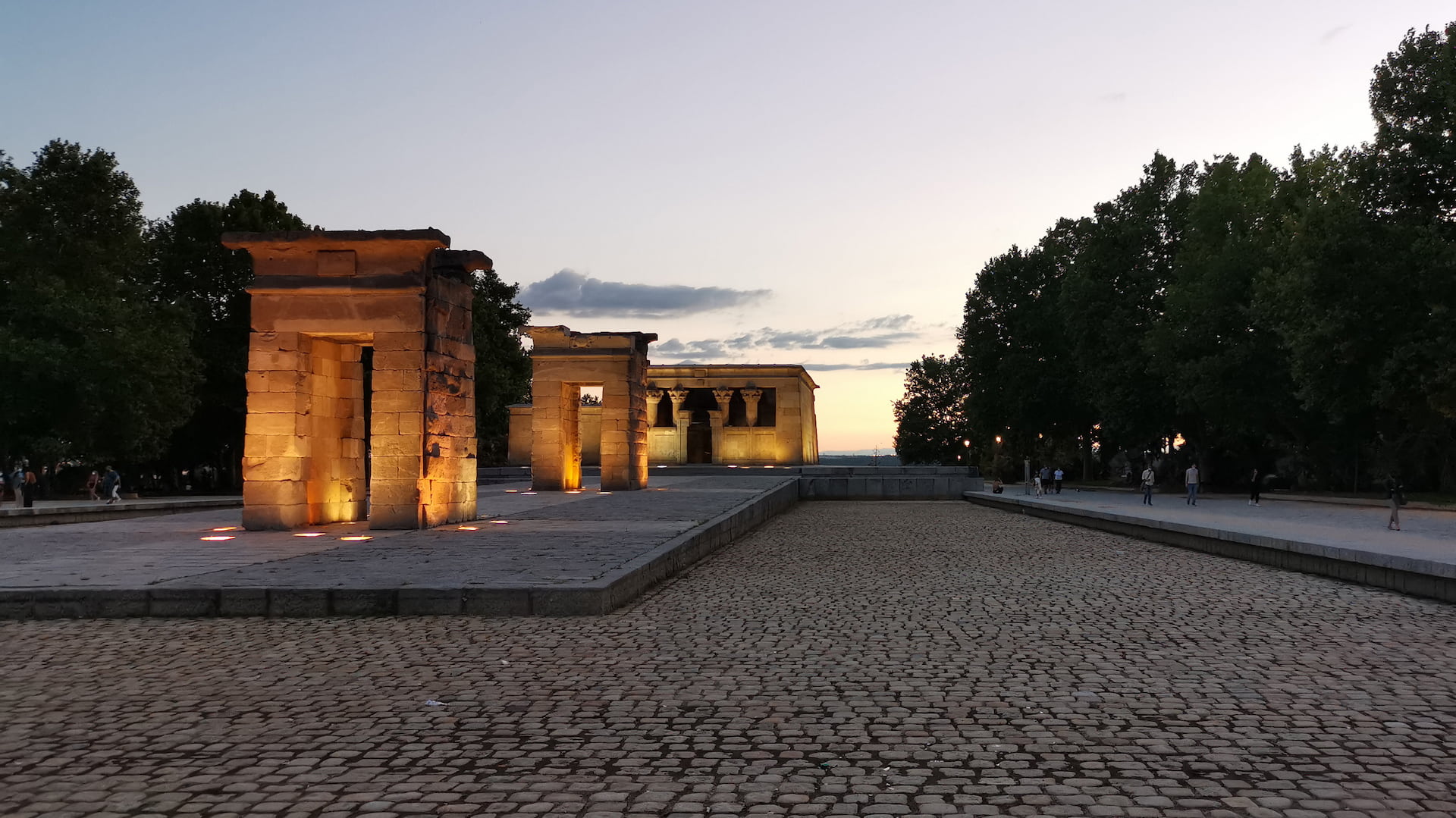
Then there’s Templo de Debod. As sunset approaches, crowds of young locals gather around this ancient Egyptian temple, sitting with beer, wine, or soda, chatting through golden hour before heading out for tapas or dinner. It’s a ritual, a rhythm, a way of being in the city that tourists rushing through never witness.
Architectural Diversity at City Scale
The wide Haussmann-style boulevard of Gran Vía showcases hotels, shopping, theaters is paired with narrow branching streets, many pedestrian-only. Upscale shopping and restaurants in Salamanca north of Retiro. The still-active bullfighting ring on Salamanca’s eastern edge. The majestic Royal Palace sitting atop a hill rising from the river, paired with the older, authentic Madrid across the river near Puerta del Ángel.
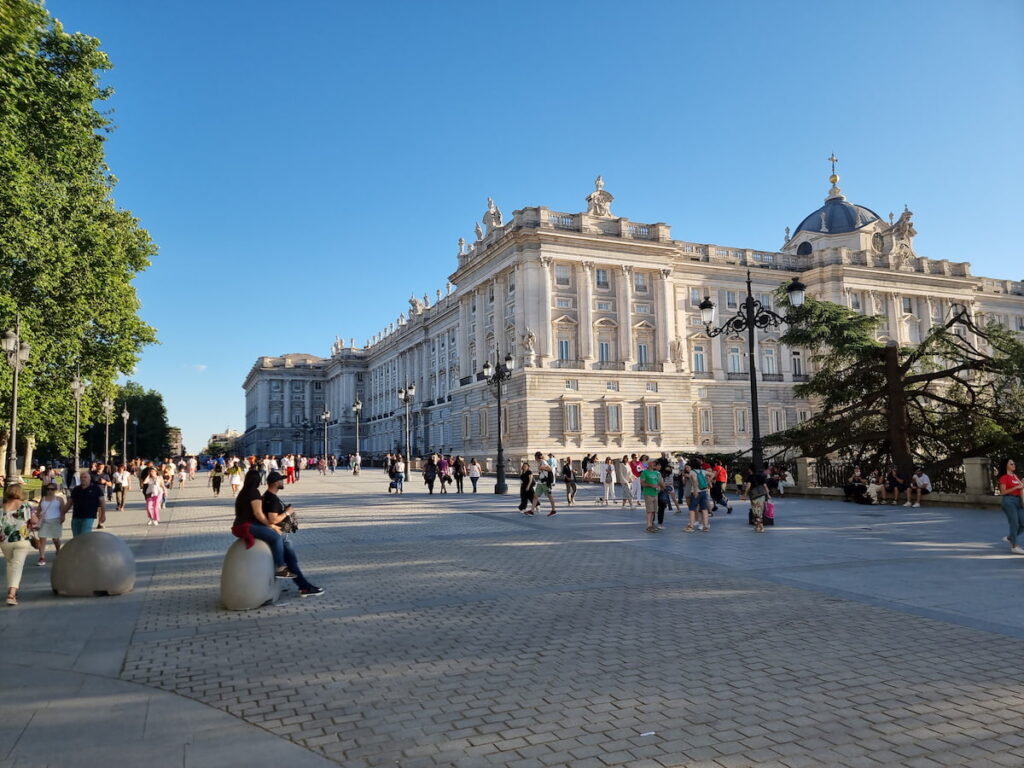
Madrid is large and sprawls in all directions from its core. This intimidated me at first. Now I see it as richness. Different neighborhoods offer different experiences. You could spend months and still find new corners.
Why Madrid Works Differently Than Other Cities
Most great tourist cities front-load their appeal. They have iconic landmarks that wow you immediately. Barcelona does this brilliantly. Paris does this. Rome does this. You arrive, see the famous sights, feel accomplished, leave satisfied.
Madrid doesn’t work that way. Its glory is spread across the expanse of the city, the span of the day, and the variety of the seasons. You can’t capture it in a weekend checklist. It reveals itself through rhythms and rituals – when to eat, where locals gather, how the city transforms from August’s emptiness to December’s festive crowds.
This is why I almost wrote it off. And it’s why I now love it more than almost anywhere else.
My Advice: Give Madrid More Time Than You Think It Needs
Don’t rush Madrid. If you only have a weekend, go to Barcelona or Seville instead—cities that reward quick visits. But if you have a week or more, spend it in Madrid. Let the city unfold.
Here’s what will help you avoid my mistakes:
Eat on Madrid’s schedule. Lunch is 1:30-3:30 PM. Dinner starts at 9 PM or later. Going outside these times means eating with tourists at mediocre places.
Avoid the obvious central plazas for dining. Plaza Mayor is beautiful to walk through, terrible for eating. Ask locals or do research.
Visit museums in small doses. The Prado offers free admission the last two hours of the day. Go multiple times, focus on one artist each visit.
Explore by neighborhood, not checklist. Spend a day in Malasaña, another in Lavapiés, another in Salamanca. Walk, observe rhythms, stop at cafés. Madrid rewards wandering.
Experience it across seasons if possible. The heat and quiet of August differs from December’s festive energy and from spring’s park life. Each reveals something new.
What Madrid Taught Me About Travel
Not all great cities reveal themselves immediately. Some require patience, repeated visits, a willingness to let them unfold on their own terms. Madrid taught me to distinguish between cities that dazzle on arrival and cities that reward depth.
It also taught me why I travel the way I do now: a quick first visit to scout a destination, followed by longer stays for places that earn it. Madrid failed my first test. It passed every subsequent one brilliantly.
Some cities are beautiful from a distance. Others are beautiful up close. Madrid is beautiful when you stop looking for Instagram moments and start paying attention to daily rhythms, seasonal changes, the way light falls at sunset over an Egyptian temple while locals gather with wine and conversation.
I’m glad I gave it that second chance. And a third. And a fourth. I’ll keep going back every chance I get. See you there.
Have you experienced Madrid? Did it grow on you over time, or did you love it immediately? I’m curious whether my slow discovery resonates with your experience, or if you found shortcuts to appreciating this remarkable city.